Recent Blog



Yoga for Emotion Management
Understanding Yoga for Emotion Management
Yoga for emotion management is a transformative approach that integrates breath control, mindful movement, meditation, and self-awareness practices to regulate emotional responses effectively. Emotions influence decisions, relationships, productivity, and physical health. When unmanaged, emotions such as anger, anxiety, fear, and sadness disrupt balance. Through structured yogic practices, we cultivate emotional stability, resilience, and clarity.
Emotional imbalance often manifests as tension in the body, shallow breathing, and mental agitation. By practicing yoga consistently, we recondition the nervous system to respond rather than react. The combination of asana (postures), pranayama (breathing techniques), and meditation provides a complete system for emotional regulation.
The Science Behind Emotional Regulation Through Yoga
Emotions are directly linked to the autonomic nervous system. Stress activates the sympathetic response (fight or flight), while relaxation activates the parasympathetic response (rest and digest). Yoga shifts the body toward parasympathetic dominance.
- Reduces cortisol levels
- Stabilizes heart rate variability
- Enhances serotonin production
- Improves oxygen circulation
These physiological benefits translate into improved emotional control. By slowing the breath and grounding the body, we create a measurable impact on mood and cognitive clarity.
Powerful Yoga Asanas for Emotional Balance
1. Child’s Pose (Balasana)
This grounding posture calms the mind and releases stored tension in the lower back and shoulders. Holding this pose for several minutes encourages introspection and mental stillness.
2. Cat-Cow Stretch (Marjaryasana-Bitilasana)
This gentle spinal movement coordinates breath with motion. It relieves emotional rigidity and enhances flexibility in both body and mind.
3. Bridge Pose (Setu Bandhasana)
Opening the chest stimulates the heart center, releasing suppressed emotions. This posture improves circulation and encourages emotional openness and confidence.
4. Forward Fold (Uttanasana)
Forward bending postures calm the nervous system and reduce anxiety. They help release emotional stress stored in the body.
5. Legs-Up-the-Wall Pose (Viparita Karani)
This restorative posture is effective for emotional exhaustion. It improves blood flow and induces deep relaxation.
Pranayama Techniques for Emotional Stability
1. Nadi Shodhana (Alternate Nostril Breathing)
This technique balances the hemispheres of the brain, improving mental clarity and stabilizing mood fluctuations.
2. Bhramari (Humming Bee Breath)
The gentle humming vibration calms the nervous system and reduces anger and agitation.
3. Ujjayi Breathing
This controlled breathing technique increases focus and emotional endurance.
4. Deep Diaphragmatic Breathing
Slow inhalation and extended exhalation activate relaxation pathways in the brain, creating an immediate emotional reset.
Meditation for Emotional Mastery
Mindfulness Meditation
Focusing on the present moment prevents rumination over past regrets and future fears. It reduces emotional reactivity.
Loving-Kindness Meditation
This practice enhances compassion and dissolves resentment, building emotional harmony.
Body Scan Meditation
Scanning physical sensations uncovers stored emotional tension and promotes deep release.
Yoga Philosophy and Emotional Intelligence
Yogic principles such as Ahimsa (non-violence), Santosha (contentment), and Aparigraha (non-attachment) support emotional maturity and stability. Practicing these values encourages kindness, acceptance, and letting go of emotional burdens.
Daily Yoga Routine for Emotion Management
- 5 minutes deep breathing
- 10 minutes gentle asanas
- 5 minutes pranayama
- 10 minutes meditation
Consistency strengthens emotional resilience. Short daily practice creates long-term stability.
Benefits of Yoga for Emotional Control
- Reduced anxiety and depression symptoms
- Improved mood regulation
- Enhanced concentration
- Better sleep quality
- Stronger interpersonal relationships
- Increased patience and empathy
Yoga for Managing Specific Emotions
Yoga for Anger Management
Cooling breathing techniques and forward folds reduce internal heat and prevent reactive behavior.
Yoga for Anxiety Relief
Grounding poses and slow breathing stabilize the nervous system and calm racing thoughts.
Yoga for Depression Support
Heart-opening poses and energizing breathwork stimulate positivity and motivation.
Yoga for Stress Reduction
Gentle sequences combined with mindful breathing dissolve accumulated tension.
Advanced Techniques for Deep Emotional Release
Yin Yoga
Long-held passive stretches target connective tissues where emotional tension accumulates.
Yoga Nidra
A guided relaxation technique that reduces trauma-related stress and emotional fatigue.
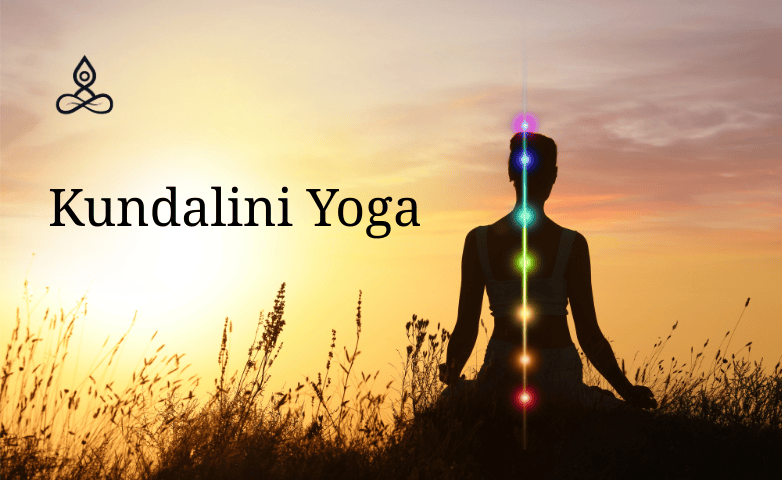
Chakra Balancing Practices
Energy-focused meditations align emotional centers and enhance communication and compassion.
Long-Term Emotional Transformation Through Yoga
Emotional mastery requires discipline and dedication. Over time, yoga reshapes neural pathways, creating calm as the default response. Through breath, posture, meditation, and philosophy, emotional stability becomes natural and sustainable.
